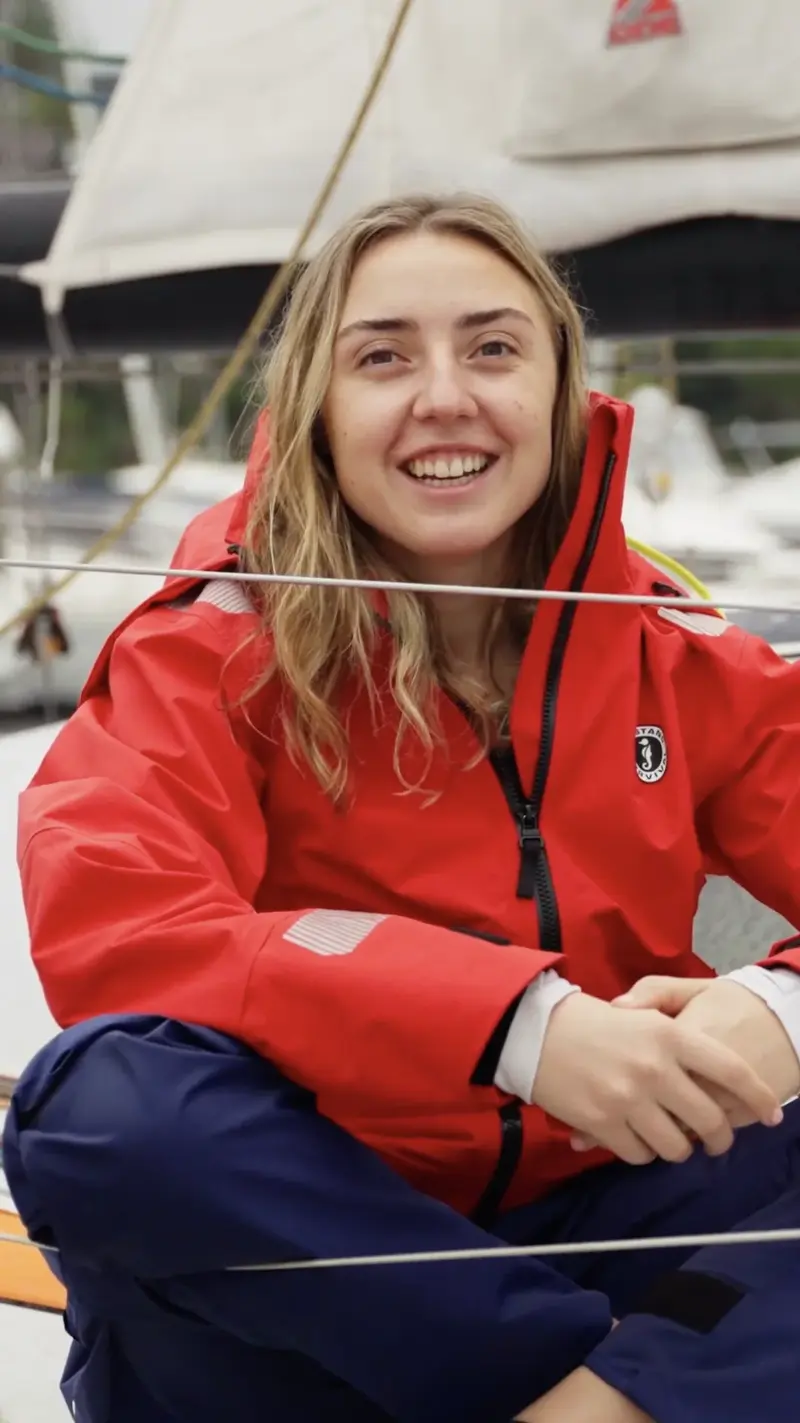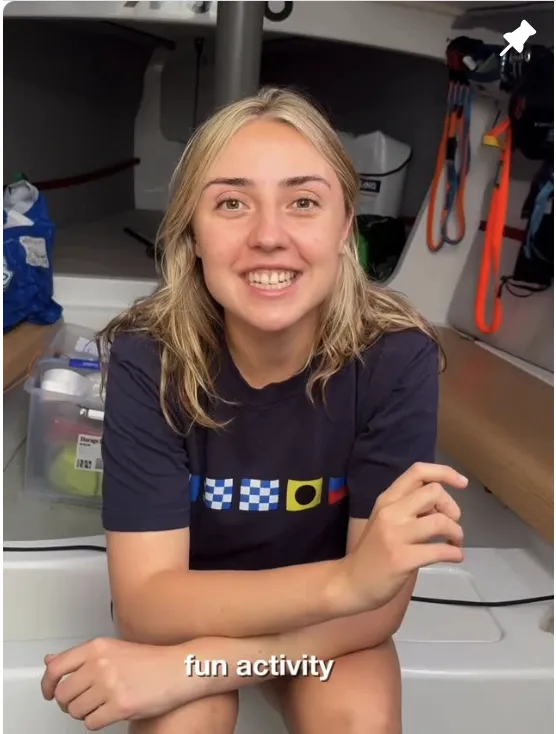
Employment Hero Alliance is the boat this whole campaign is built around, so let me introduce her properly. She's a Dehler 30 OD, built in Germany and launched in 2020. She's 30ft long (9.14 m, for the metric-minded). She was designed for one-design offshore racing, meaning every boat is the same – same hull, same keel, same rig, same sail plan.
The class was designed by Judel/Vrolijk, the same naval architecture firm behind a long list of successful racing and cruising yachts. They drew a boat that's fast enough to be exciting, stable enough to be safe offshore, and simple enough that two people can handle her.
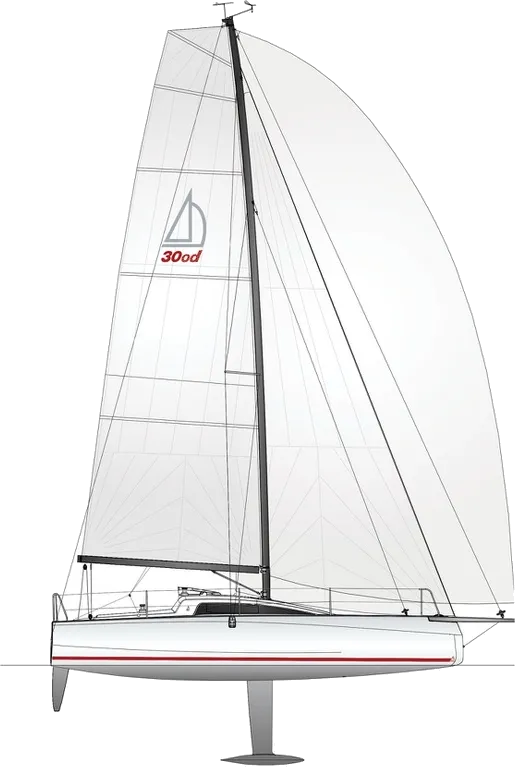
The key specs
Alliance is compact but she packs a lot into 30 feet. Here's what you're looking at:
Alliance at a glance
- Length – 30 feet (9.14 m hull; 10.3 m with the bowsprit)
- Displacement – 2,800 kg
- Rig – carbon fibre mast, aluminium boom, and rod rigging
- Keel – deep fin keel with lead bulb for stability
- Rudders – twin rudders for control at high heel angles
- Sails – mainsail, reefable jib, staysail, two asymmetric spinnakers, and a code zero
What does "double-handed" actually mean?
Double-handed means two crew. That's it. Two people to do everything – sail changes, navigation, cooking, helming, sleeping, keeping watch, fixing whatever breaks at 3am. On a fully crewed boat you might have eight or ten people sharing those jobs. On Employment Hero Alliance, it's me and my co-skipper Peter Winter, and the ocean doesn't care that we're short-staffed.
Double-handed racing is a growing discipline of offshore sailing, and for good reason. It's more accessible – you don't need to recruit and coordinate a crew of ten. It's more personal – every decision, every mistake, every good call is yours. And it's more demanding, which makes it more rewarding. There's nowhere to hide when there are only two of you.
The campaign
The 2026 winter season was built around two key races: the Sydney to Gold Coast and the Gold Coast to Mackay. Both are real offshore passages – hundreds of nautical miles up the coast.
They tested everything: up to 3 knots of southerly current, unpredictable winds, sleep deprivation, and making good decisions when you're tired, wet, and the horizon won't stay still.
Those races did their job. We took 2nd in the double-handed PHS on the Sydney to Gold Coast, learned some hard lessons on the way to Mackay, and banked the miles, the experience and the record that open the door to bigger events. Every serious offshore campaign starts with races like these – learning the boat, learning each other, learning what works and what falls apart when you're 50 miles from shore at midnight.
Getting to those start lines meant sorting a long list: rating certificates (IRC and ORC – the handicap systems that let different boats race fairly against each other), a category 2 safety audit, rig, hull and keel checks, electronics and engine maintenance. The list goes on.
And the bigger event those races opened the door to? It's here. This September I'm representing Australia at the Offshore Mixed Double-Handed World Championships in Marseille.
The debriefs & the road to the Worlds →