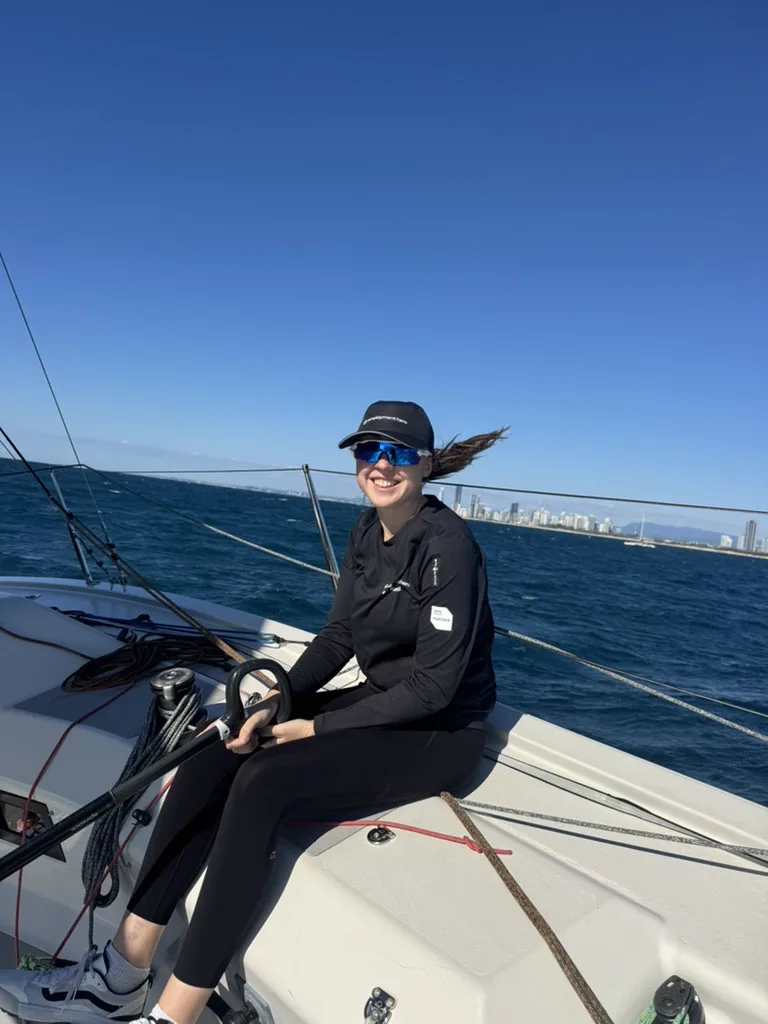
Representing Australia at the Worlds.
The Offshore Mixed Double-Handed World Championships – bringing together the highest quality of mixed double-handed racing globally.
2026 so far.
Sydney to Gold Coast
What went well: a clean start out through the Heads, holding our own against much bigger boats, and the tactical calls paid off – working the shore, then the pressure offshore, to pick off a good chunk of the fleet.
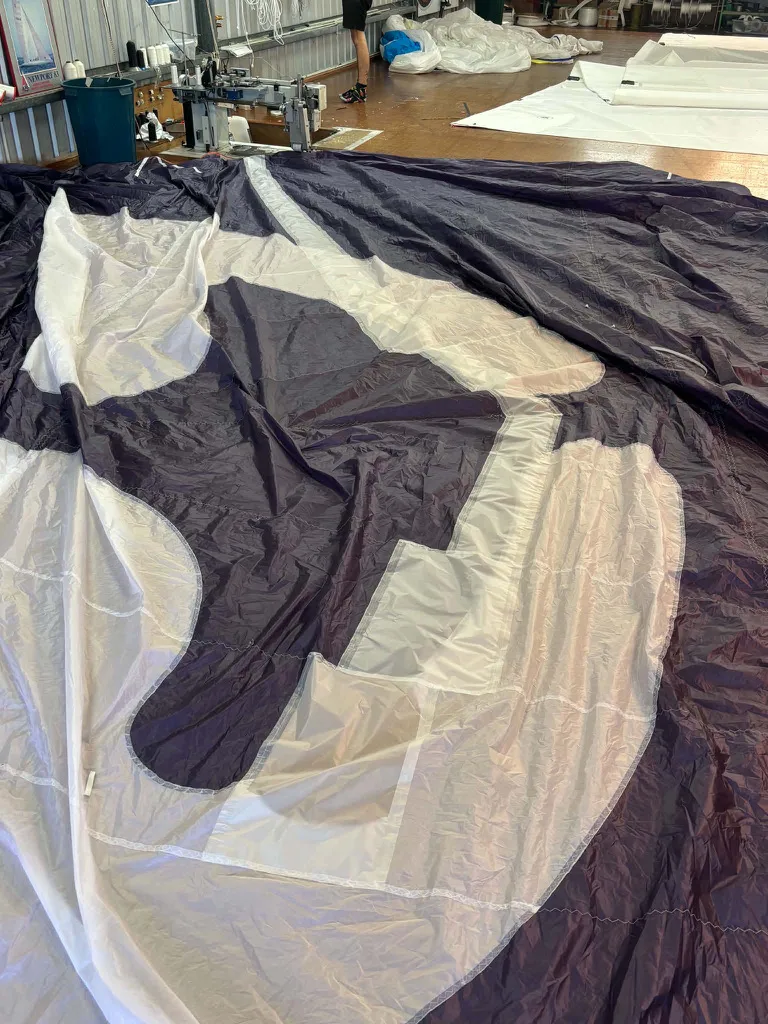
What we'd do differently: be kinder to our spinnakers. Both were gone by the end of night one – one snagged the spreader, one let go at 16 knots. On the bright side, two more nights on the code zero taught us a lot about keeping the boat quick without the big sails – and we still took second.
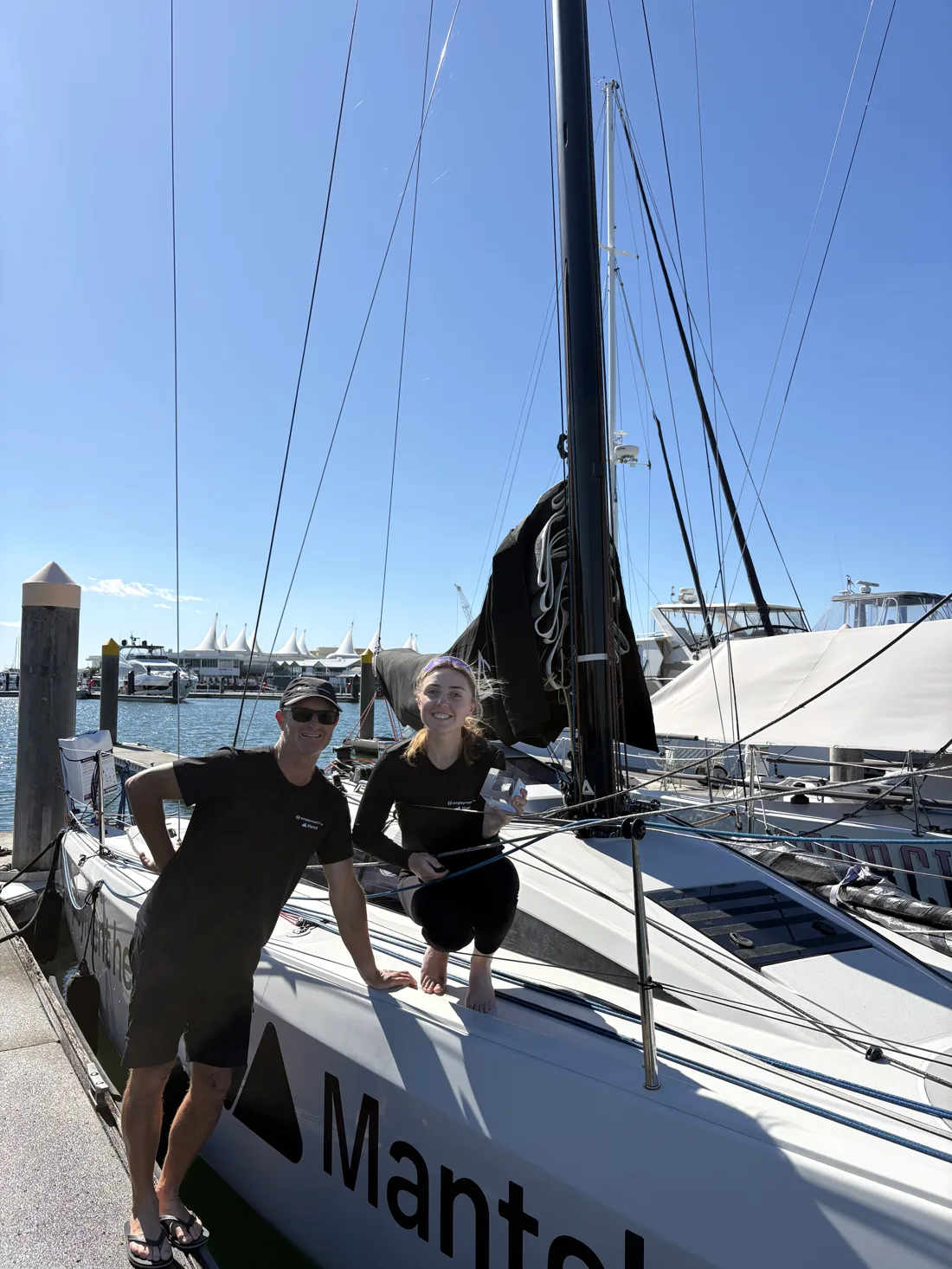
Gold Coast to Mackay
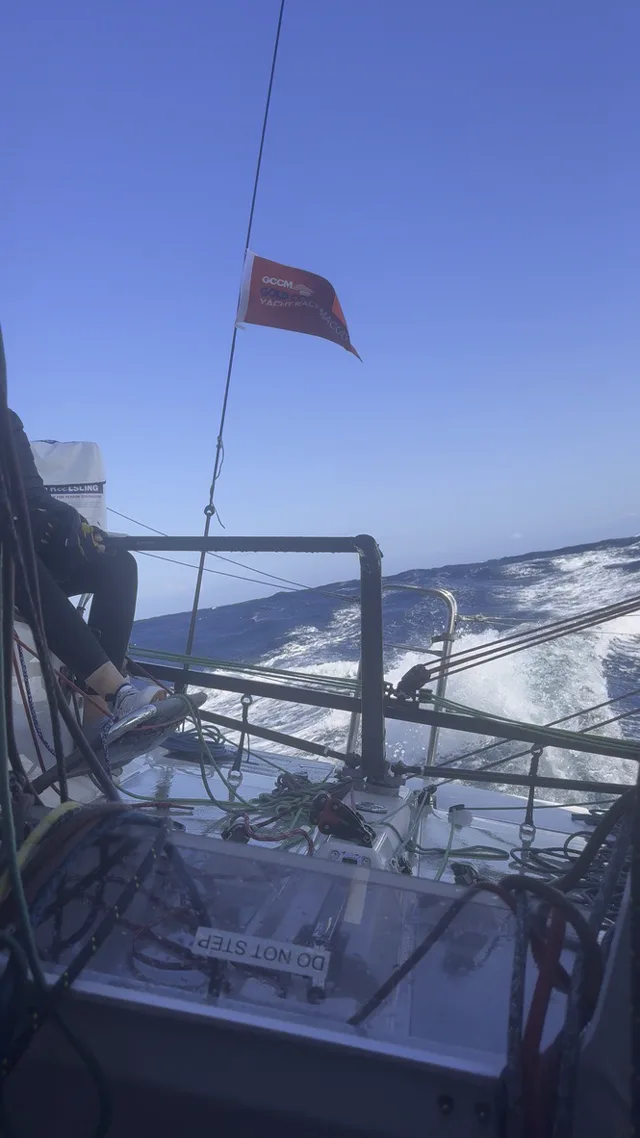
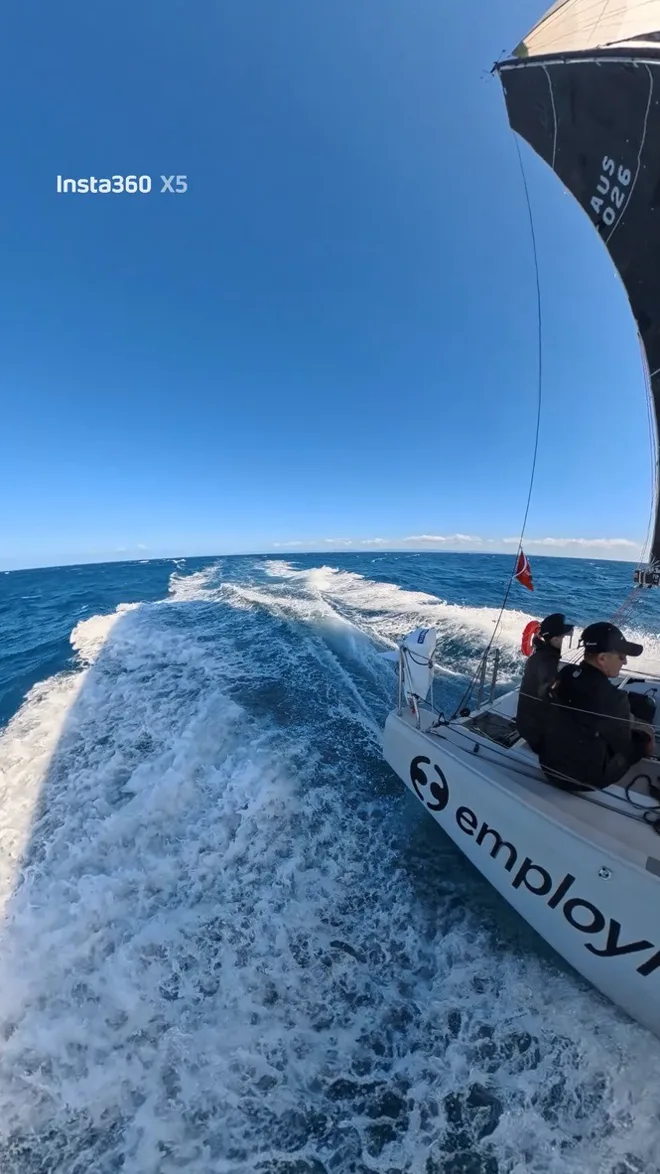
The fun part: a flying start as the only double-handed crew in the fleet – A5 up, surfing metre-and-a-half waves at 18 knots. The little boat absolutely loved it, and so did we.
The learning part: the autopilot never quite trusted us (so we hand-steered, a lot), a wipeout claimed the A2, and a snapped halyard dropped the A5 in the drink. 260 miles in with no spinnakers and thirty knots forecast, Bundaberg was the smart call. Next time: better rudder calibration, gentler sail handling – and we'll be back for those last 260 miles.
What Gold Coast and Mackay taught us.
Miles make you better
The more you sail, in more conditions, the better you get. No shortcut.
Calibration is everything
Autopilot calibration matters most in big downwind seas. Ours was off for most of both races – still digging into why.
Race the day you're given
Knowing the boat's potential is one thing. You still have to sail the day in front of you.
Hard days teach the most
You learn far more when it's hard. That's the point.
Know your sails' limits
Spinnakers make you fast – until they don't. Older sails need gentler hands.
Read the helm
Learn the rudder angles for each condition, and the signs the helm gives you.
Won before the start
So much happens pre-race. The small thing you skip is the one that bites.
And the honest one
Breaking gear on night one is really rubbish.
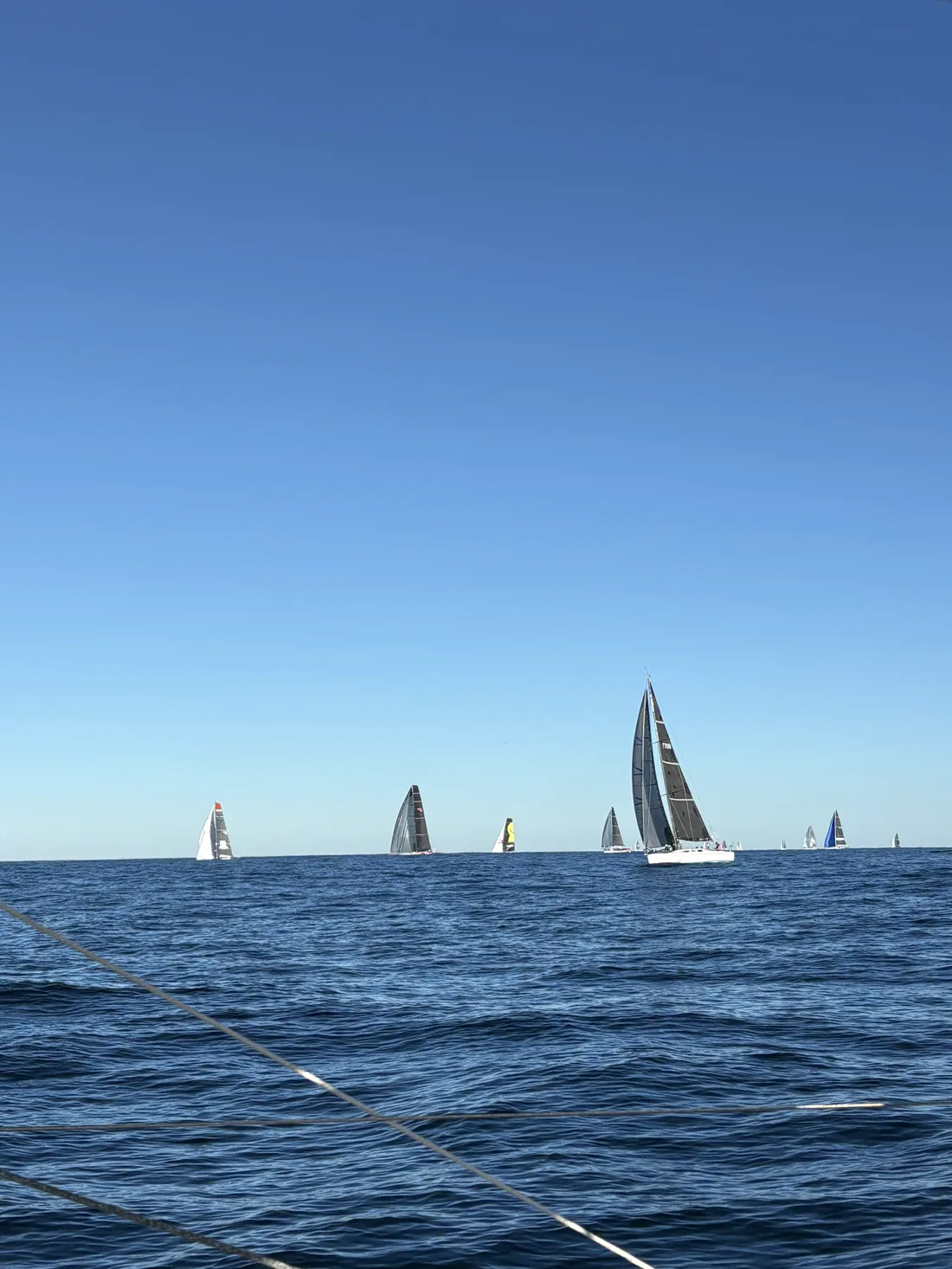
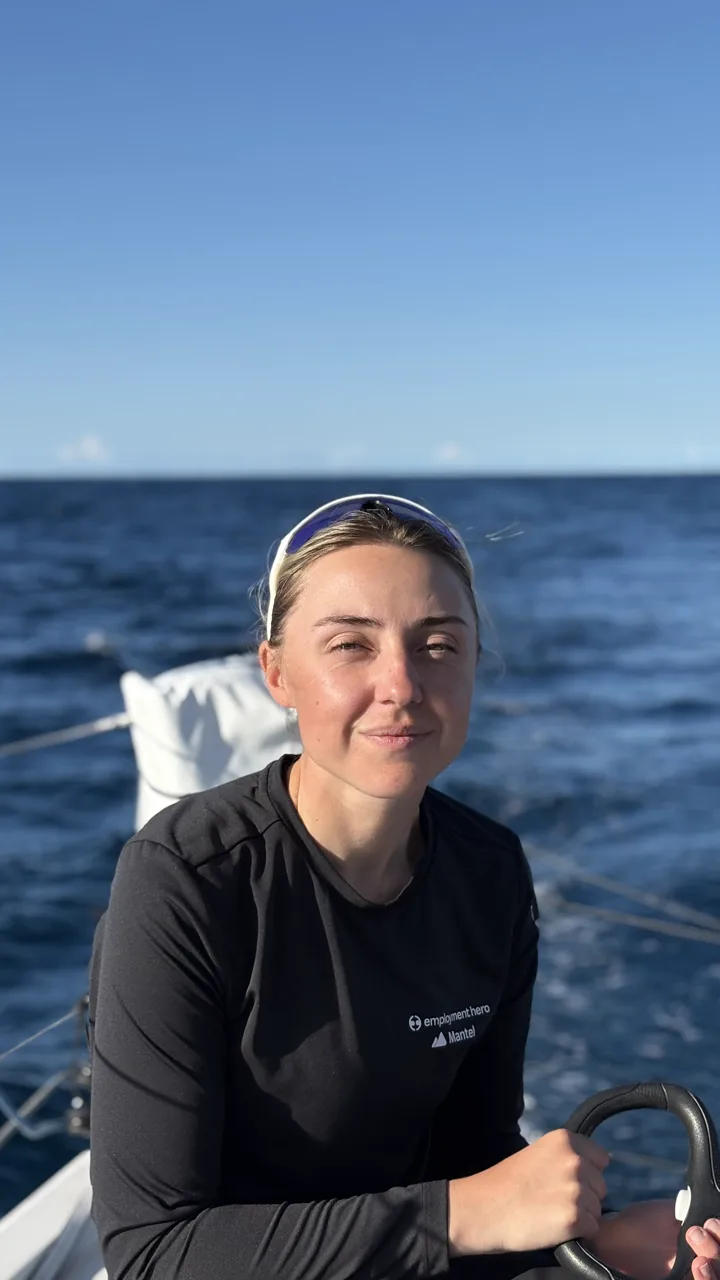
A few frames from the run north.